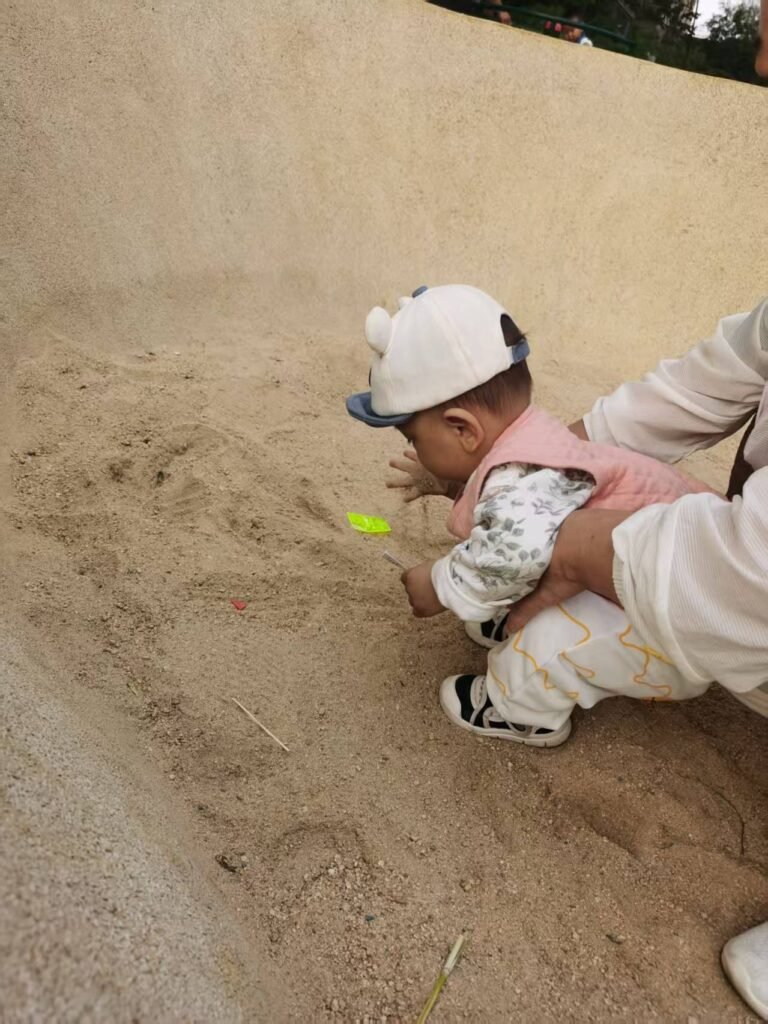
Malignant Testicular Yolk Sac Tumor: 31 Days Post-Op
Ongoing Follow-up After Yolk Sac Tumor Surgery
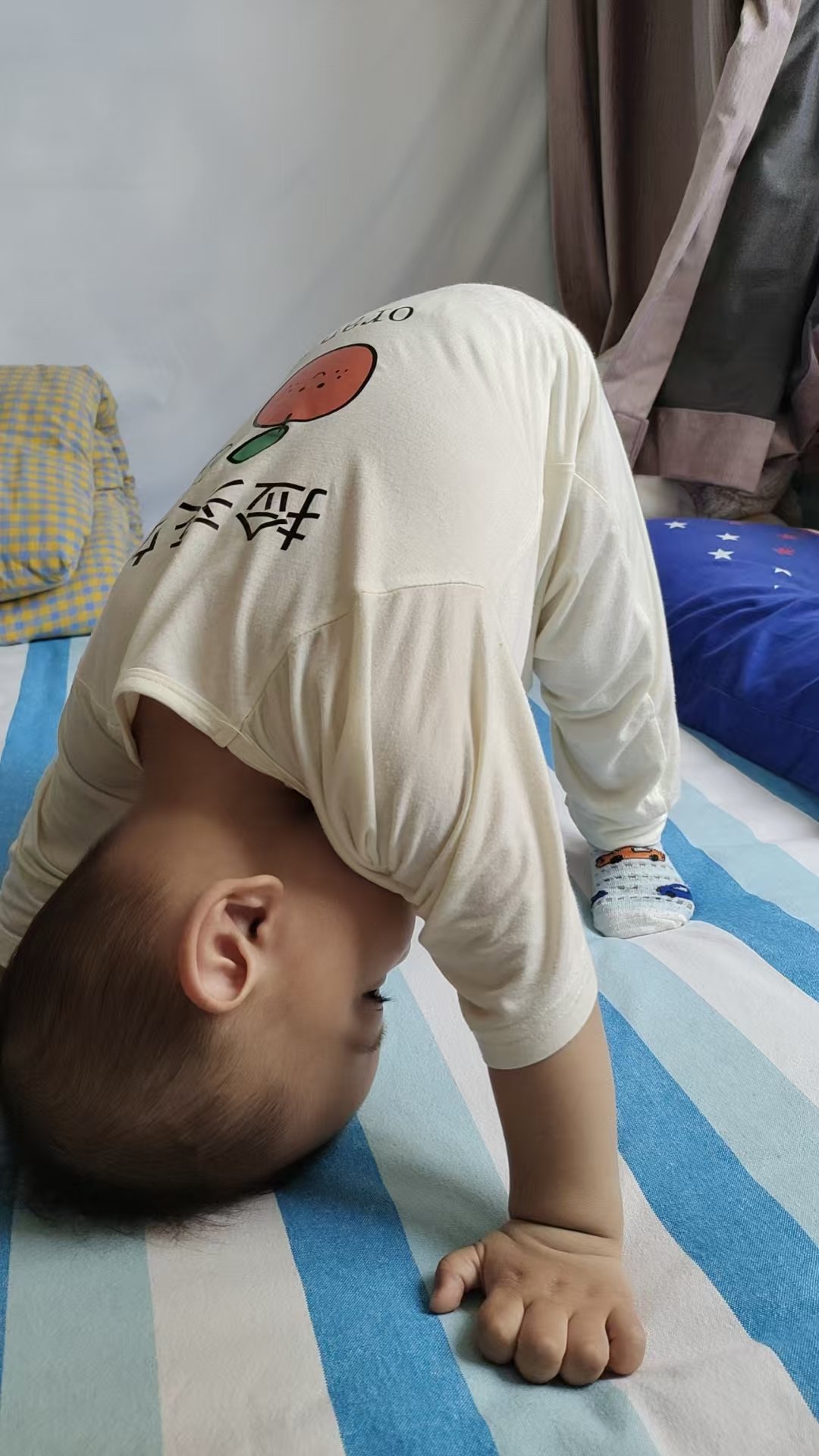
It has been 31 days since my little boy Tubao underwent surgery for a malignant testicular yolk sac tumor, and today, we finally got the results of his latest blood test. Staring at the numbers on the lab report, the heavy stone hanging in my heart felt a little lighter yet again. Ever since Tubao’s operation, we have been strictly following the doctor’s instructions: as long as his alpha-fetoprotein (AFP) levels haven’t returned to the normal range, we need to bring him in for a follow-up check every single week. This time, we have two sets of key data to record—his AFP levels at 20 days post-op and 31 days post-op—and every tiny change in these numbers is like a powerful boost of confidence in our battle against this terrible disease.
Key AFP Level Records
Let me jot down these crucial figures first, because they are more than just numbers; they are milestones marking our tough but hopeful journey. On May 15, 2024, 20 days after the surgery, Tubao’s AFP level was 25.39. Then, on May 26, 2024, 31 days post-operation, that number dropped to 8.52. Watching the value plummet from the 20s to the single digits, I can hardly put the overwhelming joy into words. It feels just like walking through a dark, winding tunnel and suddenly catching sight of a brighter beam of light ahead—one that makes me believe we’re getting closer to the exit with every step we take.
Speaking of this follow-up appointment, there was a little mishap that added a touch of frustration to our day. Before heading to the hospital, I conducted some quick online research and found that AFP blood tests don’t require fasting. That sounded like a huge relief! I planned to take a half-day off work, bring Tubao to the hospital in the afternoon, get the blood drawn, and head back home. This way, I wouldn’t have to miss too much work, and more importantly, Tubao wouldn’t have to get up super early on an empty stomach—something that’s always a struggle for a little kid who loves his breakfast.
But when we arrived at the hospital, the nurse at the front desk gently broke the news to me: the immunology department, which handles AFP testing, doesn’t operate in the afternoons. She explained that if we had the blood drawn anyway and stored the sample overnight for testing the next day, the results might not be accurate. The sample could degrade, and the AFP levels measured might not reflect Tubao’s actual condition. Those words hit me like a small punch to the gut. I had spent the morning arranging my work schedule, packing Tubao’s favorite snacks and toys to keep him occupied during the wait, and here we were, making the trip for nothing. With a heavy sigh, I had to take Tubao back home, the original excitement of getting the test results replaced by a tinge of disappointment.
So, we had no choice but to wait until Sunday, our only day off, to make the trip to the hospital again. If you’ve ever been to a hospital on a weekend, you know exactly what it’s like—crowded, bustling, and filled with the hurried footsteps of anxious parents and patients. Everywhere I looked, I saw tired but determined faces: parents holding their kids tightly, elderly patients leaning on their caregivers, and medical staff rushing from one ward to another, never stopping for a second. In that moment, surrounded by so many people fighting their own battles, I felt a deep sense of solidarity. I knew that every parent there was just like me—willing to do anything to keep their child healthy and safe.
Holding Tubao in my arms, we joined the long queue for blood testing. As we waited, Tubao looked around curiously, pointing at the colorful paintings on the wall and chattering away about the little things he saw. When it was finally our turn, the phlebotomist smiled softly at Tubao, trying to make him feel at ease. I braced myself, expecting the usual tears and protests—after all, getting a blood draw is never fun for a young child. But to my surprise, Tubao didn’t cry at all. He just leaned his little head against my chest, held my hand tightly with his tiny fingers, and stayed perfectly still. When the needle was pulled out, and I pressed a cotton ball on the spot, he even looked up at me with a big smile and said in his sweet, babyish voice, “Mommy, it didn’t hurt.” In that instant, my eyes welled up with tears. I hugged him tightly, my heart swelling with pride and tenderness. My little boy, who used to cry over a scraped knee, had turned into such a brave little warrior.
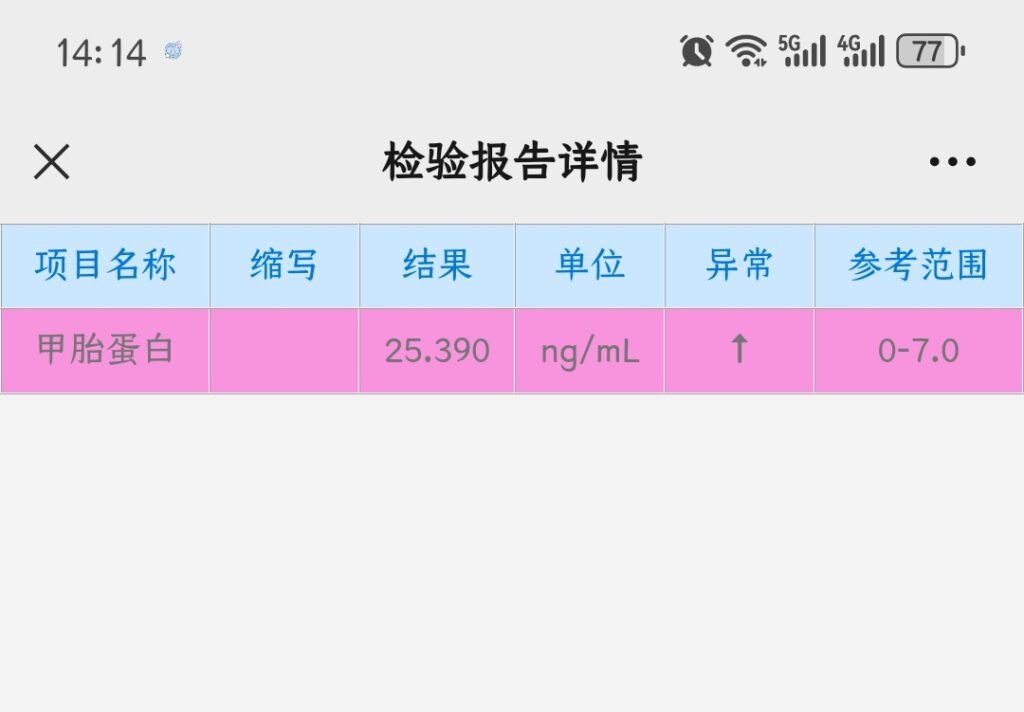
8.52! Steady Decline
The wait for the test results felt like an eternity. Every minute that passed felt like an hour, and I found myself checking my phone every few seconds, as if that would hasten the results. I kept replaying the nurse’s words in my head, wondering if the sample would be okay this time, and praying that the numbers would show a downward trend. When the lab technician finally called my name and handed me the report, my hands were shaking as I took it. I scanned the page, my eyes locking onto the line that said “AFP: 8.52.” I blinked hard, thinking I must have misread it. I looked again, and there it was—clear as day. 8.52. A huge drop from the 25.39 we got just 11 days earlier.
I didn’t even realize I was smiling until I felt Tubao patting my cheek. I knelt immediately, pulled him into a tight hug, and whispered in his ear, “You’re amazing, my little hero! We did it—your AFP is getting better and better!” Tubao giggled and hugged me back, not fully understanding what all the fuss was about, but happy to see me smile.
Look at this amazing progress, I can’t help but feel optimistic about the future. If Tubao’s AFP levels continue to drop at this rate, in just two more weeks, when we go for our next follow-up, that number should fall below 7—the threshold for the normal range. Just thinking about it makes my heart race with excitement. These past few weeks have been filled with countless challenges—late nights spent worrying, endless trips to the hospital, and the constant fear that lingers in the back of my mind. But every time I see Tubao’s smile, every time I see his AFP levels go down, I know that all the sleepless nights and tired days are worth it.
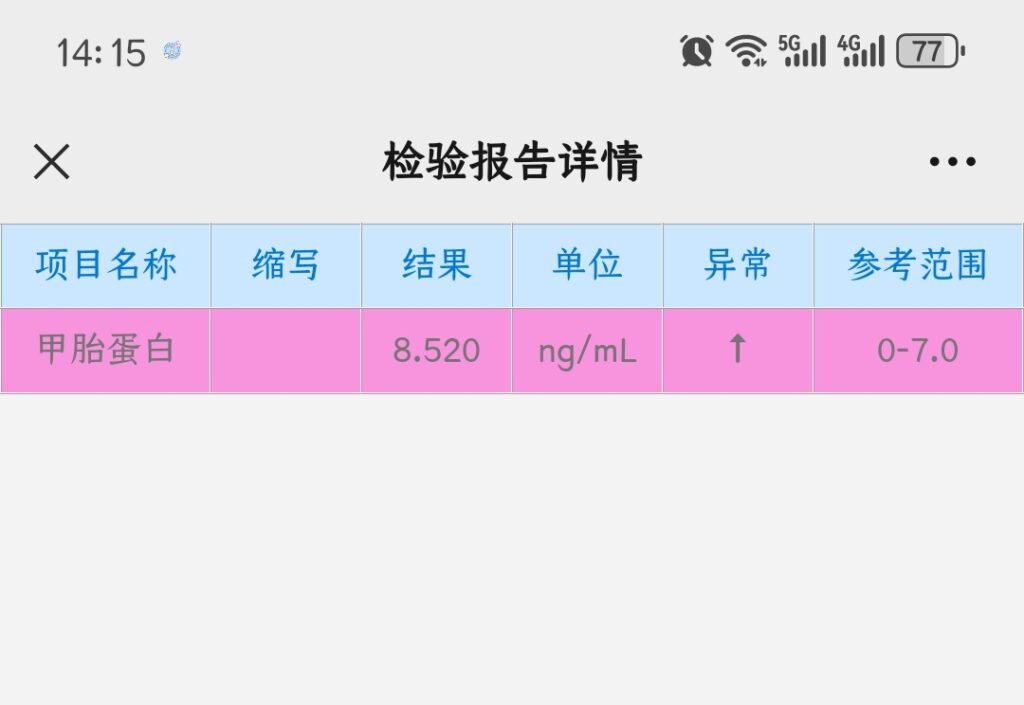
Lately, I’ve noticed many little signs that Tubao is getting stronger and healthier every day. He’s eating more than he did before the surgery, finishing his bowls of rice without any fuss. He’s more energetic too—running around the house, chasing our family cat, and asking to play outside every chance he gets. Even his laugh sounds brighter, more carefree, like the shadow of the surgery is slowly fading away.
Walking Together: Tubao and Mom Are Each Other’s Strength
This journey has been far from easy. There have been moments when I felt overwhelmed, when I wanted to break down and cry, when I wondered how we would get through this. But through it all, Tubao has been my rock. His bravery, resilience, and boundless capacity for joy have given me the strength to carry on. He doesn’t know how much he’s taught me—about courage, about hope, and about the unbreakable bond between a mother and her child.
As we continue on this path, I know there will be more follow-up appointments, more blood tests, and more moments of uncertainty. But I also know that we’re not alone. We have a team of dedicated doctors and nurses by our side, a network of supportive friends and family cheering us on, and most importantly, we have each other.
So here’s to us—to Tubao, my brave little warrior, who fights every day with a smile on his face. And to me, too—for being strong when I felt weak, for holding on when I wanted to let go. Let’s keep going, one step at a time. We’re getting closer to victory, and I know that brighter days are just around the corner. Tubao, keep shining. Mommy is right here with you, always.