Testicular Yolk Sac Tumor: Post-Op Day 282 AFP Update
Today marks 282 days after my son TuBao’s testicular yolk sac tumor surgery. As I prepare for work resuming tomorrow after the holiday, we took him for a follow-up alpha-fetoprotein (AFP) test—one of the most critical check-ins for testicular yolk sac tumor recovery. The result: 3.34 ng/mL. It’s a slight increase from our last check, but it’s exactly what we expected, and we’re feeling calm and grateful.
Why We Delayed the Testicular Yolk Sac Tumor Follow-Up
We originally planned a full 9-month post-op check-up in late January. This would include both an AFP test and imaging scans—standard for monitoring testicular yolk sac tumor.
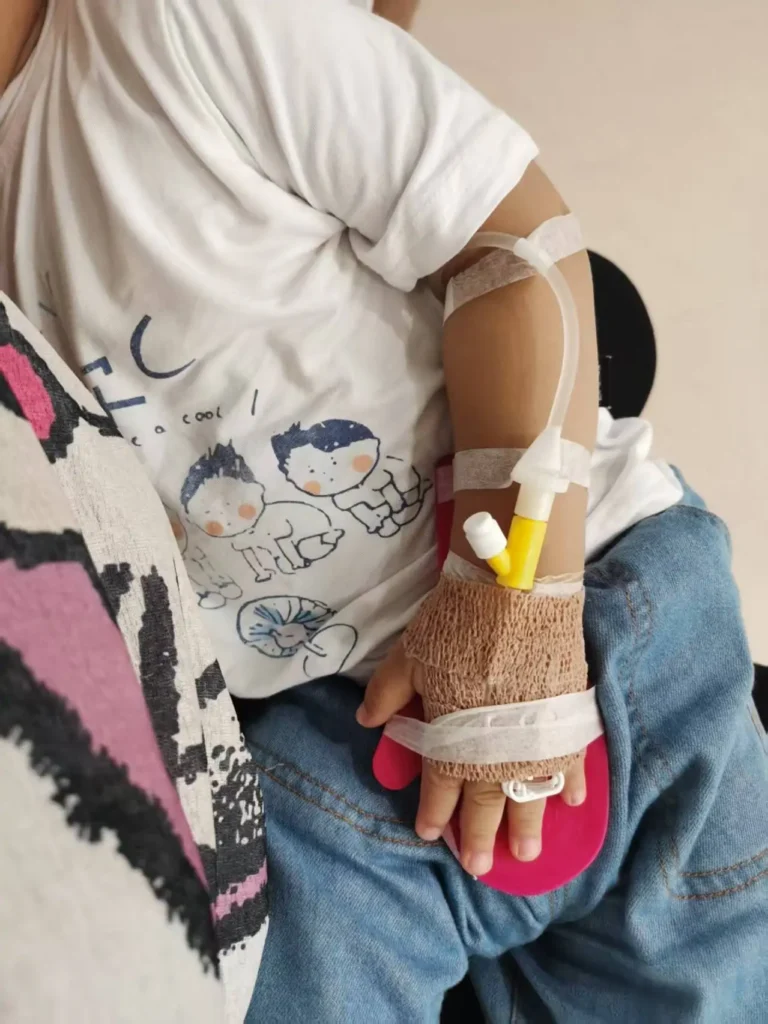
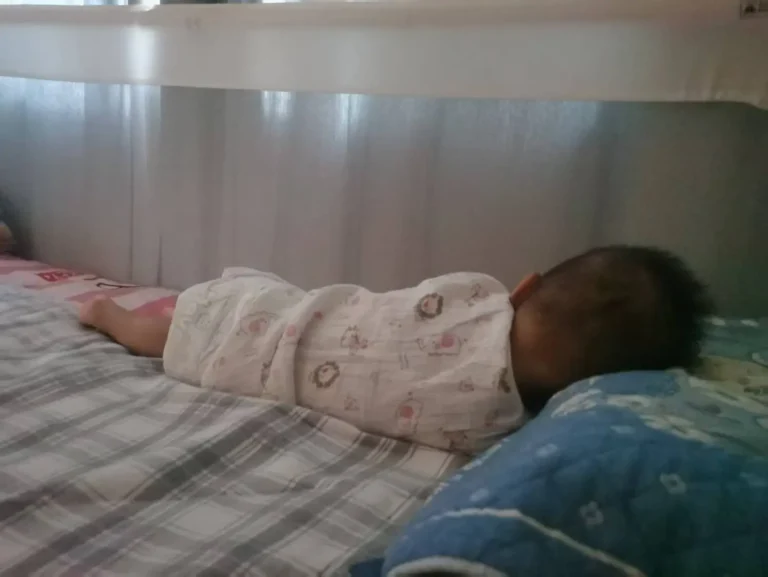
But life had other plans. TuBao came down with a high, persistent fever that led to bronchopneumonia. For parents of kids recovering from testicular yolk sac tumor, we know: a child’s health always comes first.
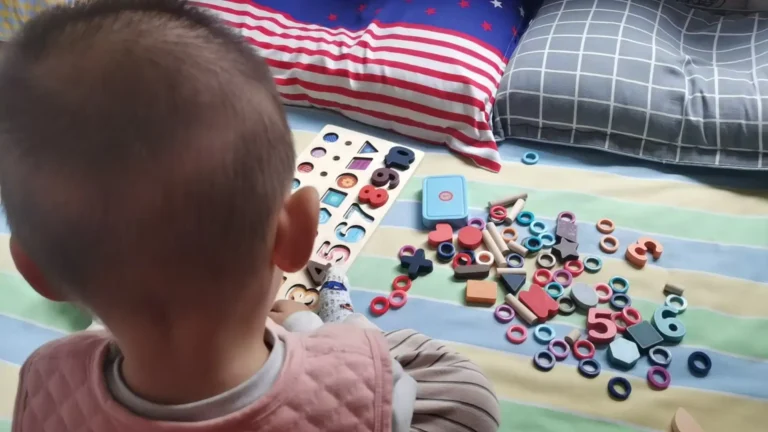
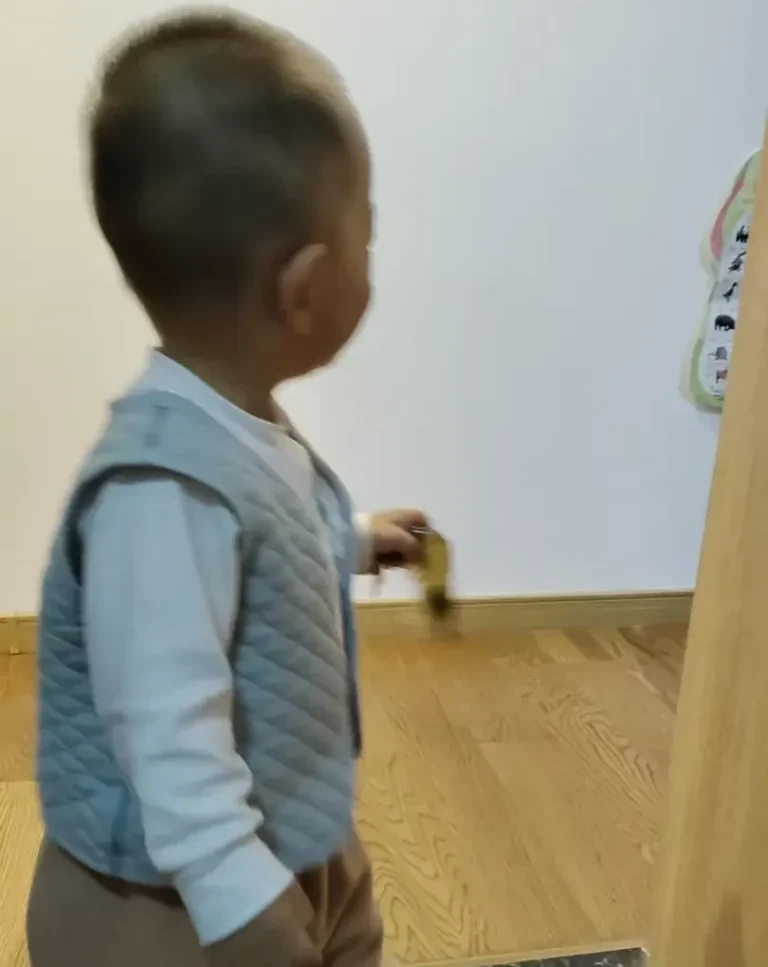
Pneumonia affects blood work, which would skew the AFP results. We made the decision to delay the full check-up. Our focus shifted to helping TuBao heal—and now, he’s back to his energetic self.
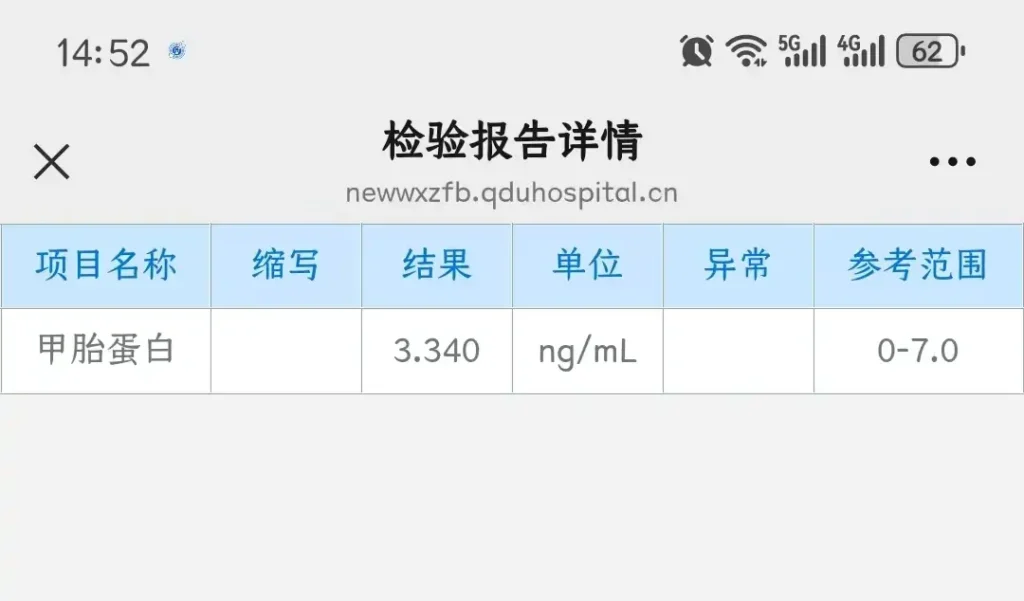
AFP Results: 3.34 ng/mL (A Calm Reaction This Time)
Our last testicular yolk sac tumor follow-up was on December 22 (post-op day 238), with an AFP of 2.85 ng/mL. Today’s 3.34 ng/mL is a small jump, but it’s nothing to worry about.
Last time we saw a slight increase, my husband and I were a mess—staying up late, searching for answers, calling the doctor nonstop. This time, we’re calm.
TuBao just recovered from pneumonia. His body is still adjusting, and small AFP fluctuations are normal after illness. As long as the number stays in the normal range, we’re on the right track.
Key Fact: AFP Fluctuations Are Normal for Testicular Yolk Sac Tumor Recovery
For families navigating testicular yolk sac tumor, AFP monitoring is non-negotiable. But here’s a crucial truth: minor AFP fluctuations within the normal range are completely normal.
AFP (alpha-fetoprotein) is the main tumor marker for testicular yolk sac tumor. After surgery, it drops steadily and stabilizes. But it’s not a fixed number.
Things like illness, fatigue, mild inflammation, or even changes in diet/sleep can cause small dips or rises. This does NOT mean the testicular yolk sac tumor is coming back.
Focus on the overall trend, not single numbers. Normal AFP ranges are typically 0-7 ng/mL (check your hospital’s reference). If numbers spike sharply or stay elevated, call your doctor immediately.
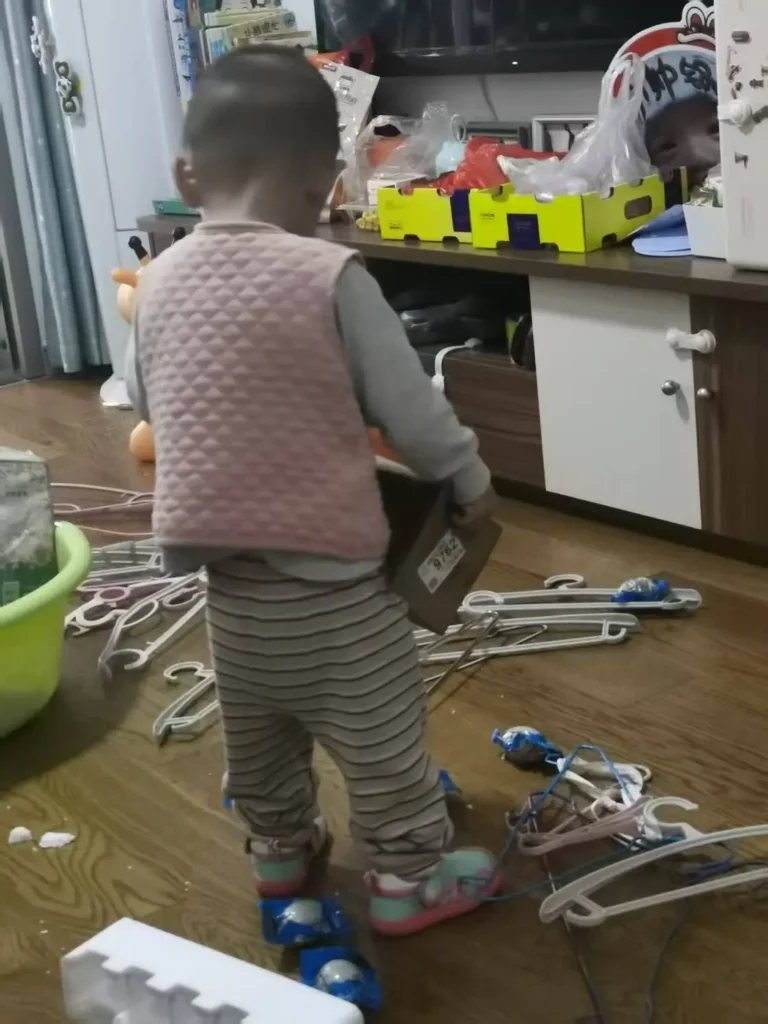
To Fellow Parents: You’re Not Alone in This
Nine months ago, we were crushed when TuBao was diagnosed with a testicular yolk sac tumor. Surgery, follow-ups, and constant worry became our new normal.
But we’ve learned to be strong. We’ve connected with other parents going through the same thing, and their support kept us going. To you: You’re not alone.
Testicular yolk sac tumor has a high survival rate. With proper treatment and regular follow-ups, most kids recover fully and live normal lives. Be kind to yourself—anxiety is normal, but hope is stronger.
What’s Next for Our Testicular Yolk Sac Tumor Journey
Tomorrow, I’ll be back at work. My husband and I will continue to prioritize TuBao’s care. Once he’s 100% recovered, we’ll schedule the 9-month imaging scans—something we’re looking forward to.
282 days post-op, we’re grateful for every small win. TuBao’s courage inspires us daily. We’re taking it one day at a time, one follow-up at a time.
To all families fighting testicular yolk sac tumor: Keep going. Your child is brave, and you are too. Healing takes time, but better days are ahead. We’re all in this together—here’s to health, hope, and brighter tomorrows.
Disclaimer: Written by Judy. This article shares my personal experience as a parent of a child with a yolk sac tumor. It does not constitute medical advice. Consult a professional medical provider before making any health-related decisions.