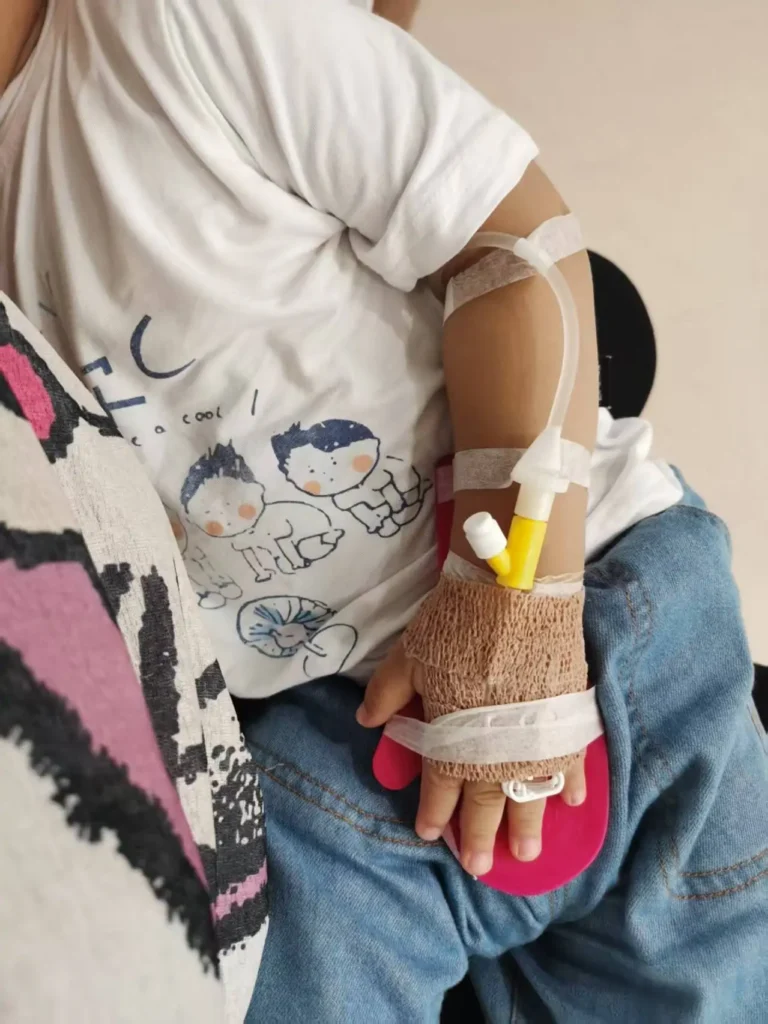
Yolk Sac Tumor Postoperative Day 116: TuBao Is Thriving
Today marks Day 116 after my baby TuBao’s testicular yolk sac tumor surgery. As a parent who’s walked through the fear of childhood cancer, every follow-up visit feels like a small test—and today, we passed again, steadily and surely.
I’m sharing our update with joy, hoping it brings comfort to other parents on the same journey, and shedding light on this rare childhood tumor along the way.
Key Update: Yolk Sac Tumor AFP Levels Keep Dropping (Slow but Steady!)
For parents of kids with yolk sac tumor, the alpha-fetoprotein (AFP) level is our biggest “peace of mind indicator.” It’s the first thing we check, the last thing we think about at night—and today’s numbers gave us a big sigh of relief.
Here’s the breakdown (all within normal range!):
- Postoperative Day 90 (July 24): AFP = 3.95
- Postoperative Day 116 (August 20): AFP = 3.85
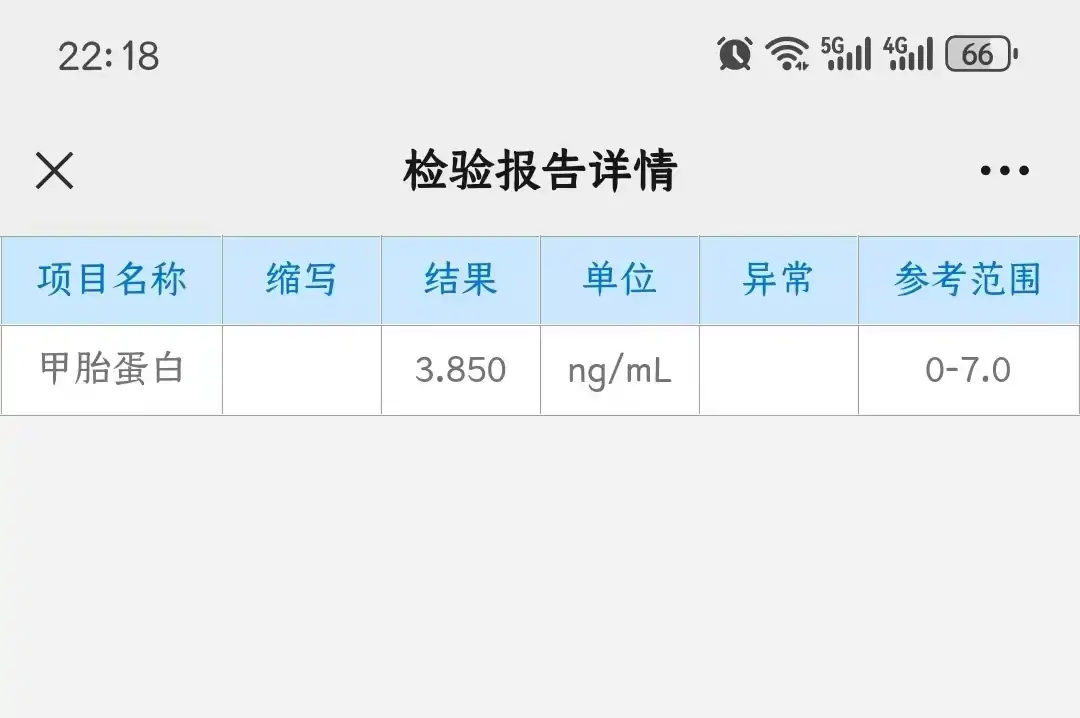
In just about a month, it dropped by 0.1. It might seem like a tiny change, but to us, it’s a huge win. Our baby’s AFP has stabilized between 3 and 4—and that’s exactly what we need: stability, no ups and downs, no rebounds.
Yolk Sac Tumor 101: What Parents Need to Know
When we first heard “testicular yolk sac tumor,” our world crashed. We knew nothing about it, and fear took over. I want to share simple, easy-to-understand facts to help other families avoid the panic we felt.
Testicular yolk sac tumor is a rare type of childhood germ cell tumor, most common in young boys (our TuBao is still a toddler). The good news? It’s highly treatable, especially when caught early and treated properly.
AFP is the most important monitoring tool for this tumor. Before surgery, AFP levels are usually much higher than normal. After the tumor is removed, levels should drop gradually to the normal range and stay stable. If AFP stays normal during follow-ups, it means the tumor is under control—this is the best sign we can hope for.
Follow-Up Checkup: Hydrocele Is No Big Deal
This time, I made a point to see the chief surgeon (the one who did TuBao’s operation) to ask about a small concern: hydrocele (fluid around the testicle) after surgery.
The doctor reassured us: the hydrocele is mild. If it doesn’t get bigger or cause discomfort for our baby, we don’t need to do anything now. We can check it again in a year.
His words lifted a huge weight off my chest. Our baby just went through major surgery—we don’t want him to go through a second one unless it’s necessary. For now, we’ll keep observing and sticking to regular follow-ups.
Big Happy News: TuBao Hit 22 Pounds!
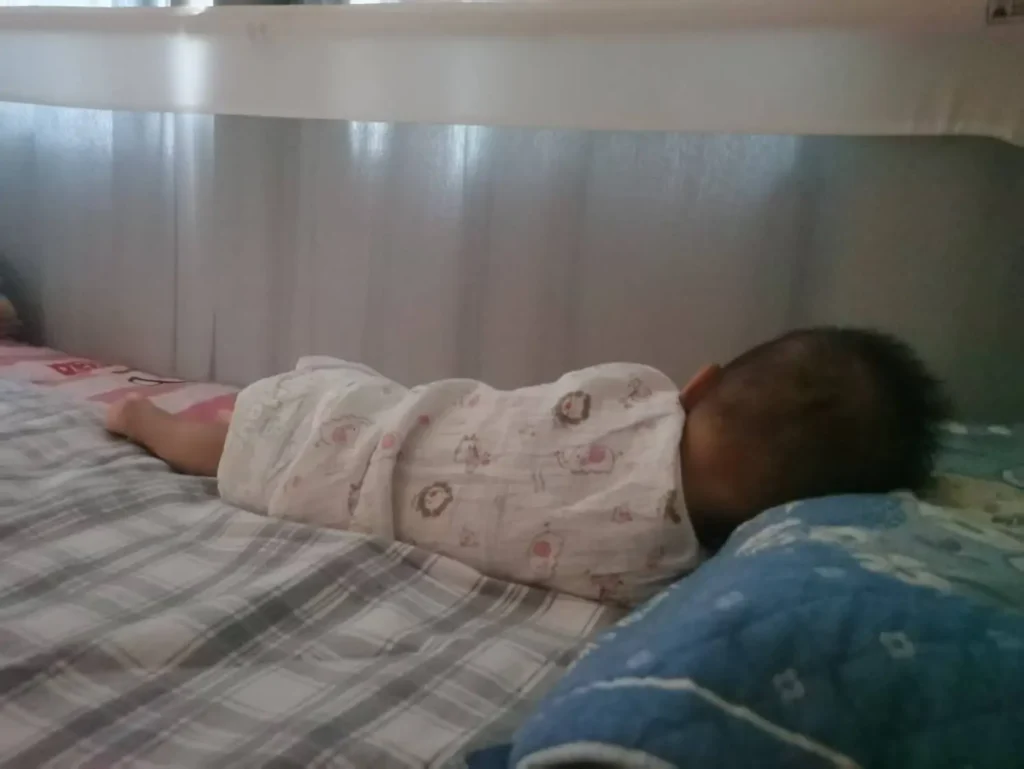
Amid all the medical checks and worries, here’s the best update of all: TuBao finally weighs over 22 pounds!
During his illness, he lost a lot of weight—holding him felt so light, it broke my heart. Now, he eats well, sleeps well, and is full of energy. Every pound he gains is a sign of his strength, a little victory we celebrate every day.
To Fellow Parents: You’re Not Alone
If you’re reading this and your child is fighting a testicular yolk sac tumor, I want to hug you tight. I know the fear, the late nights, the constant worry about the next checkup. But please believe: slow progress is still progress, and stability is more important than speed.
Follow your doctor’s advice, keep up with regular follow-ups, and take care of yourself, too—you can’t pour from an empty cup. Your baby is stronger than you think, and you’re doing an amazing job.
For us, we’ll keep going: regular checkups, watching AFP levels, and cheering on TuBao as he grows. Here’s to more good days, more stable numbers, and more happy milestones.
We’re all in this together. You’ve got this, and your baby’s got this, too.