Testicular Yolk Sac Tumor Post-Op Day 149: AFP Update
Today marks 149 days since my son Tubao’s testicular yolk sac tumor surgery. Holding his latest follow-up report, my heart is full of mixed emotions—relief that things are stable, and a desire to share our journey with other parents walking the same path.
As a mom who’s navigated surgery and now post-op recovery with her child, I know the fear of every follow-up, the panic of seeing test results shift. Today, I’m sharing our update, debunking a common myth about AFP levels, and sending hope to every parent in this fight.
Testicular Yolk Sac Tumor Post-Op: Our 149-Day Update
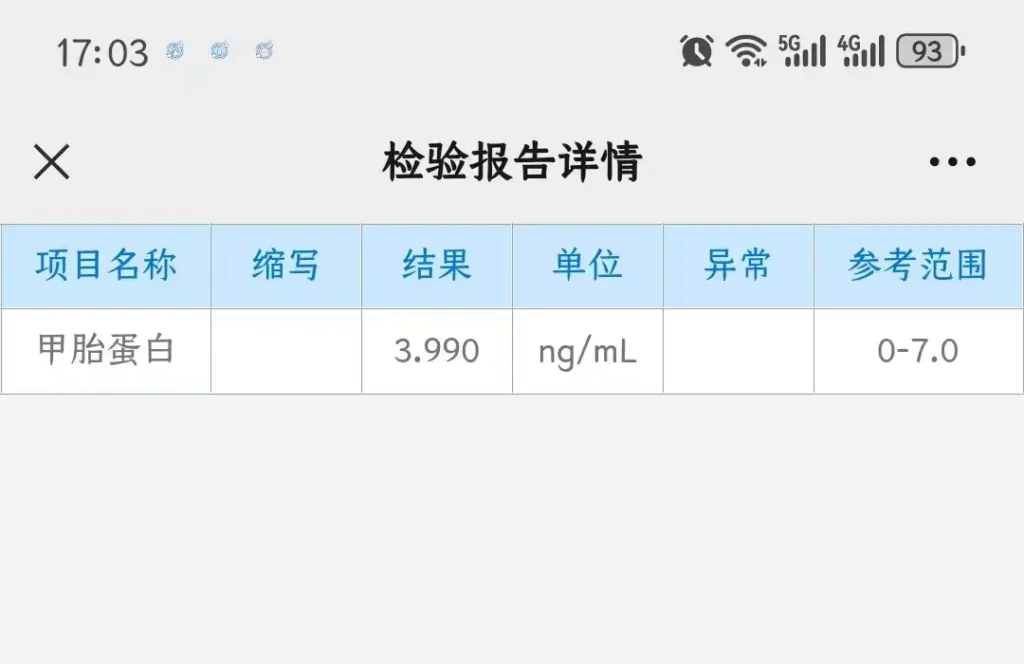
Let’s start with the numbers—they’re what every parent of a testicular yolk sac tumor survivor fixates on. On post-op day 149 (September 22), Tubao’s alpha-fetoprotein (AFP) level was 3.99 ng/mL. Just a month earlier, on day 116 (August 20), it was 3.85 ng/mL.
When I saw that tiny uptick, my stomach dropped. I’d been praying for a steady downward trend—even a slow one. A small fluctuation felt like a setback, and my mind raced to the worst-case scenarios. I felt my composure crumble, palms sweating, breath catching in my throat.
A Double Whammy: COVID Hits During Recovery
To make matters worse, Tubao tested positive for COVID this week. High fever, a raw, hoarse throat—so painful he couldn’t speak, drink, or eat. Watching my energetic little boy turn listless and miserable tore me apart.
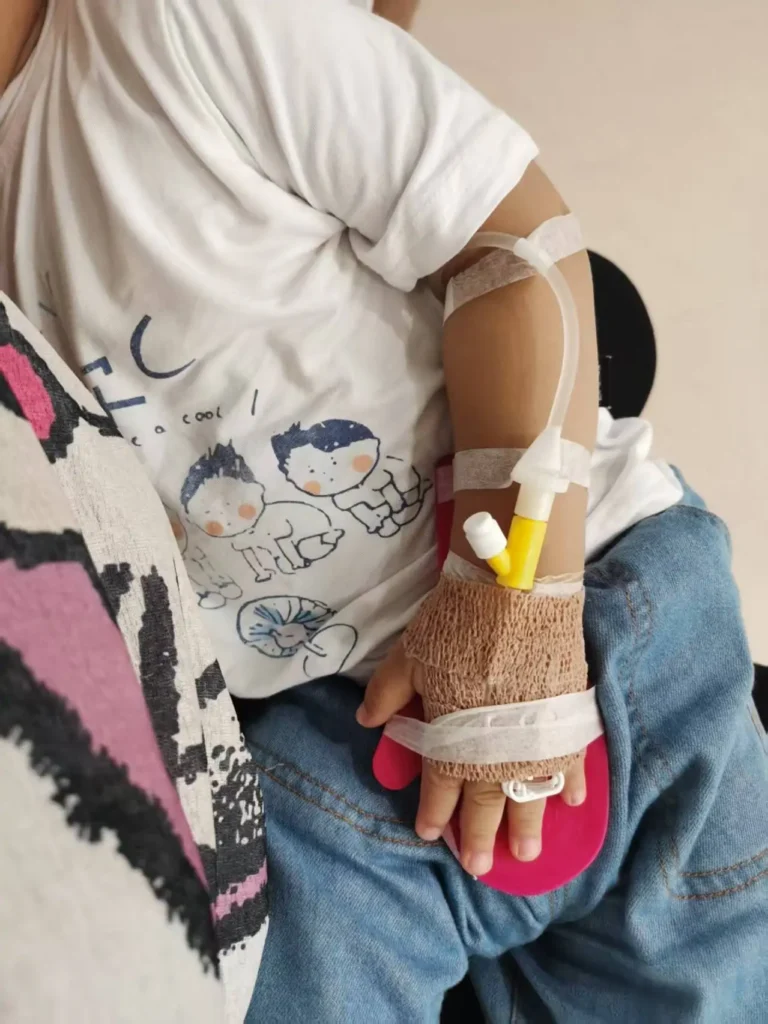
I cried watching him suffer, torn between worrying about his COVID recovery and panicking over his AFP levels. We had no choice but to take him to the hospital for IV fluids to keep him hydrated. Seeing the needle go into his small arm hurt more than any pain I’ve felt—I’d trade places with him in a heartbeat.
Why AFP Fluctuations Are Normal After Testicular Yolk Sac Tumor Surgery
Freaked out, I turned to my support group for parents of kids with testicular yolk sac tumors. I poured out my fears, my voice shaking through the messages. The response? Warmth, reassurance, and a reminder I needed badly: small AFP fluctuations are normal—when they’re within the normal range.
Many parents shared their own stories: their kids’ AFP levels bounced a little post-op, too. It’s not a red flag. It’s just the body healing.
Let’s break this down (for all the worried parents out there): AFP is a key marker for monitoring testicular yolk sac tumor recovery. But it’s not a static number. Minor ups and downs within the normal range (typically 0-7 ng/mL. check your hospital’s standards) are completely normal.
Why? After surgery, your child’s body is rebuilding. Their immune system, liver function, and overall health are adjusting. Add in a cold, fever, or COVID (like Tubao had), and AFP can tick up slightly. It’s not a sign of recurrence—it’s a sign of the body working hard to heal.
The key is the trend, not single numbers. If AFP stays within range and doesn’t spike sharply or keep rising, there’s no need to panic. Just keep up with follow-ups and trust the process.
Our Journey: Fear, Hope, and Community
Looking back, these 149 days have been a rollercoaster. From the shock of Tubao’s testicular yolk sac tumor diagnosis, to surgery, to every nerve-wracking follow-up—there have been late nights crying, moments of terror, and small wins that felt like miracles.
But I’m not alone. My family’s support and the kindness of my parents in my support group have been instrumental in keeping me going. We’re all in this together—no one should navigate this fear alone.
Today, Tubao is recovering from COVID. He’s starting to eat again, and his silly, energetic self is coming back. The AFP fluctuation? I’m no longer panicking. I know recovery isn’t linear. It has twists and turns, but every step forward counts.
To Parents Fighting This Battle: You’re Not Alone
If you’re a parent with a child recovering from testicular yolk sac tumor surgery, hear this: Be kind to yourself. It’s okay to panic, to cry, to feel overwhelmed. But don’t let a small AFP fluctuation steal your hope.
Trust your child’s strength. Trust your medical team. And lean on your community—those parents who get it, who’ve been where you are. They’ll hold you up when you can’t stand.
We’re all cheering for our kids, one follow-up at a time. Next month, we’ll head back for another check-up. I’ll hold my breath a little, but I’ll also hold onto hope. Because our kids are fighters, and we’re right there with them.
To every little warrior and every weary parent: You’ve got this. Healing takes time, but it’s worth every moment. Here’s to steady recoveries, calm hearts, and brighter days ahead.