Testicular Yolk Sac Tumor: Post-Op Day 177 Guide
Today marks 177 days after my child’s testicular yolk sac tumor surgery. It’s also the 6-month post-op checkup day—full of mixed emotions: joy, worry, and hope. As a mom, I want to share our real journey, useful medical tips, and words of support for other parents and caregivers going through the same struggle with testicular yolk sac tumor. This post is for you—no jargon, just real feelings and practical advice to help you navigate your child’s testicular yolk sac tumor recovery.
Testicular Yolk Sac Tumor Post-Op Checkup Results (Day 177)
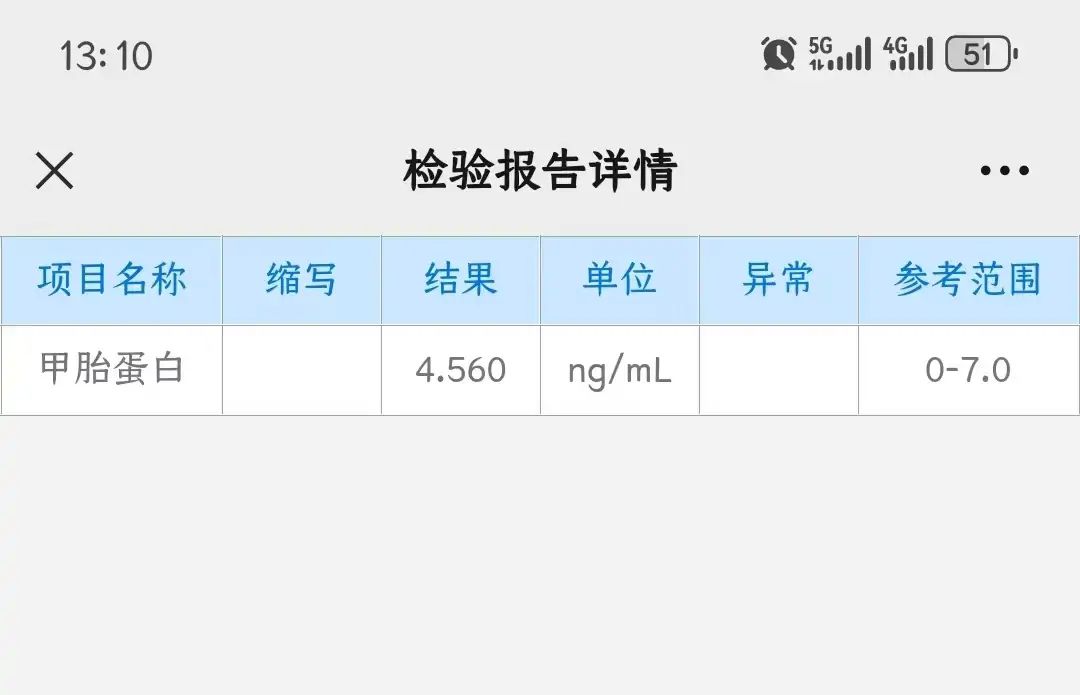
First, let’s get to the key updates—our latest test results, which matter most for testicular yolk sac tumor recovery. Below is a clear table of my child’s AFP levels over the past 3 months, so you can track the changes easily. These numbers are crucial for monitoring testicular yolk sac tumor progress, so I’m sharing them openly to help other parents compare notes.
| Date | Post-Op Day | AFP Level |
| October 21, 2024 | 177 | 4.56 |
| September 22, 2024 | 149 | 3.99 |
| July 20, 2024 (3 months ago) | 87 | 3.85 |
We did a full checkup this time: complete blood count (CBC), AFP test, full abdominal ultrasound, and chest CT. Waiting for results? It’s torture—every minute feels like an hour when you’re a parent of a child with a testicular yolk sac tumor. I kept checking my phone, scared to open the report, but knowing I needed to stay strong for my little one.
Big Win for Testicular Yolk Sac Tumor Recovery: Hydrocele Absorbed
Let’s start with the best news—our biggest relief since the testicular yolk sac tumor surgery. My child’s hydrocele has fully absorbed! This was one of my biggest worries after the testicular yolk sac tumor operation, so this update feels like a huge weight lifted off my shoulders.
After the last checkup, the doctor mentioned we might need a second surgery for the hydrocele. I worried day and night, dreading the thought of my little one going through surgery again. I researched hydroceles nonstop, hoping it would resolve on its own.
Seeing “hydrocele fully absorbed” on the report brought tears to my eyes. To all parents dealing with hydrocele after testicular yolk sac tumor surgery: don’t panic. Many hydroceles resolve on their own. Trust your child’s body and your doctor’s expertise—you’re not alone in this.
Chest CT Tip for Testicular Yolk Sac Tumor Parents
Another quick medical tip—one that calmed my panic during the checkup. Our chest CT report noted “slight patchy shadows.” I froze, fearing it was a sign of testicular yolk sac tumor spread. My mind raced to the worst-case scenario, and I had to remind myself to breathe.
Thankfully, the doctor explained, young kids often don’t cooperate with breathing while asleep during a CT scan. Irregular breathing causes those small patchy shadows—it’s totally normal, not a lung issue. This is a common occurrence in pediatric CT scans, especially for kids with testicular yolk sac tumors who need regular follow-ups.
If your child’s chest CT shows this after testicular yolk sac tumor surgery, ask your doctor first. Don’t scare yourself with worst-case scenarios. For more details on pediatric CT scan results and testicular yolk sac tumor follow-up, you can check the Mayo Clinic’s guide on testicular tumor types (authoritative external link). Medical professionals and parents alike trust this resource.

My Mom Anxiety: AFP Rising Slightly (But Still Normal)
Now, the hard part—the worry that’s keeping me up at night. My child’s AFP is still in the normal range (0-7 ng/ml, per our lab), but it’s risen slightly twice in a row: 3.85 → 3.99 → 4.56. As a mom, this small upward trend terrifies me, even though the doctor says it’s okay.
I know I’m not alone in this fear. Many parents of kids with testicular yolk sac tumor stress over every small AFP change. I find myself rechecking the lab report, googling “testicular yolk sac tumor AFP fluctuations,” and asking the doctor a million questions—all because I want to keep my child safe.
The doctor reassured me: AFP fluctuations within the normal range are common after testicular yolk sac tumor surgery. Factors like your child’s diet, sleep, mood, or even a minor cold can cause small changes. What matters most is the overall trend, not single numbers.
To Fellow Testicular Yolk Sac Tumor Parents: You’re Not Alone
Writing this post, I want you to know: your anxiety is valid. Your fear is normal. Taking care of a child with a testicular yolk sac tumor is one of the hardest things you’ll ever do, but you’re stronger than you think.
Testicular yolk sac tumor has a high cure rate, especially when caught early. Stay consistent with checkups, take good care of your child’s daily needs (nutritious food, enough sleep, lots of love), and be kind to yourself. It’s okay to feel helpless sometimes—you’re doing the best you can.
I’ll keep updating our testicular yolk sac tumor recovery journey as we wait for the next checkup. Feel free to leave a comment below to share your experience, ask questions, or just vent. We’re all in this together, and together we’ll get through it.
Disclaimer: Written by Judy. This article shares my personal experience as a parent of a child with a yolk sac tumor. It does not constitute medical advice. Consult a professional medical provider before making any health-related decisions.